
ExRNA
ISSN: 3005-5431 (Print)
ISSN: 2398-0060 (Online)
CODEN: EXRNAP
CiteScore 2025: 1.2

Extracellular vesicle-derived non-coding RNAs in osteosarcoma: regulatory mechanisms and clinical translation
Osteosarcoma (OS) is the most common primary malignant bone tumor and remains clinically challenging because of early pulmonary metastasis, chemotherapy resistance, marked tumor heterogeneity, and the lack of reliable biomarkers for real-time disease monitoring. Extracellular vesicles (EVs) have emerged as key mediators of intercellular communication and promising, but still exploratory, liquid-biopsy platforms because of their stability in biofluids and information-rich molecular cargo. EV-encapsulated non-coding RNAs (ncRNAs), including microRNAs (miRNAs), long non-coding RNAs (lncRNAs), and circular RNAs (circRNAs), participate in OS progression through source- and context-dependent regulatory networks. Representative oncogenic EV-miRNAs include OS cell-derived miR-675, which promotes migration and invasion by targeting calneuron 1 (CALN1), and BMSC-derived miR-21-5p, which enhances OS proliferation and invasion by suppressing phosphoinositide-3-kinase regulatory subunit 1 (PIK3R1) and activating phosphoinositide 3-kinase (PI3K)/protein kinase B (AKT)/mechanistic target of rapamycin (mTOR) signaling. Conversely, tumor-suppressive miR-101 inhibits OS invasion and pulmonary metastasis through B-cell lymphoma 6 protein (BCL6)-associated PI3K/AKT and Janus kinase (JAK)/signal transducer and activator of transcription (STAT) signaling. EV-derived lncRNAs and circRNAs, including linc00852, LIFR antisense RNA 1 (LIFR-AS1), plasmacytoma variant translocation 1 (PVT1), metastasis associated lung adenocarcinoma transcript 1 (MALAT1), OIP5 antisense RNA 1 (OIP5-AS1), circ-0010220, and circular RNA derived from nuclear receptor interacting protein 1 (circNRIP1), regulate malignant phenotypes through experimentally reported mechanisms such as the linc00852/AXL receptor tyrosine kinase (AXL) feedback loop, LIFR-AS1/miR-29a/nuclear factor I A (NFIA) signaling, OIP5-AS1/miR-153/ATG5 regulation, and circNRIP1/miR-532-3p/AKT3-mediated PI3K/AKT activation. Engineered EVs carrying therapeutic ncRNAs show strong clinical potential, but translation is limited by insufficient multicenter validation, inadequate disease controls, suboptimal delivery to pulmonary metastases, and non-standardized EV/ncRNA workflows. Overall, EV-derived ncRNAs remain promising but exploratory biomarkers and therapeutic candidates, requiring standardized methods and robust prospective multicenter validation.

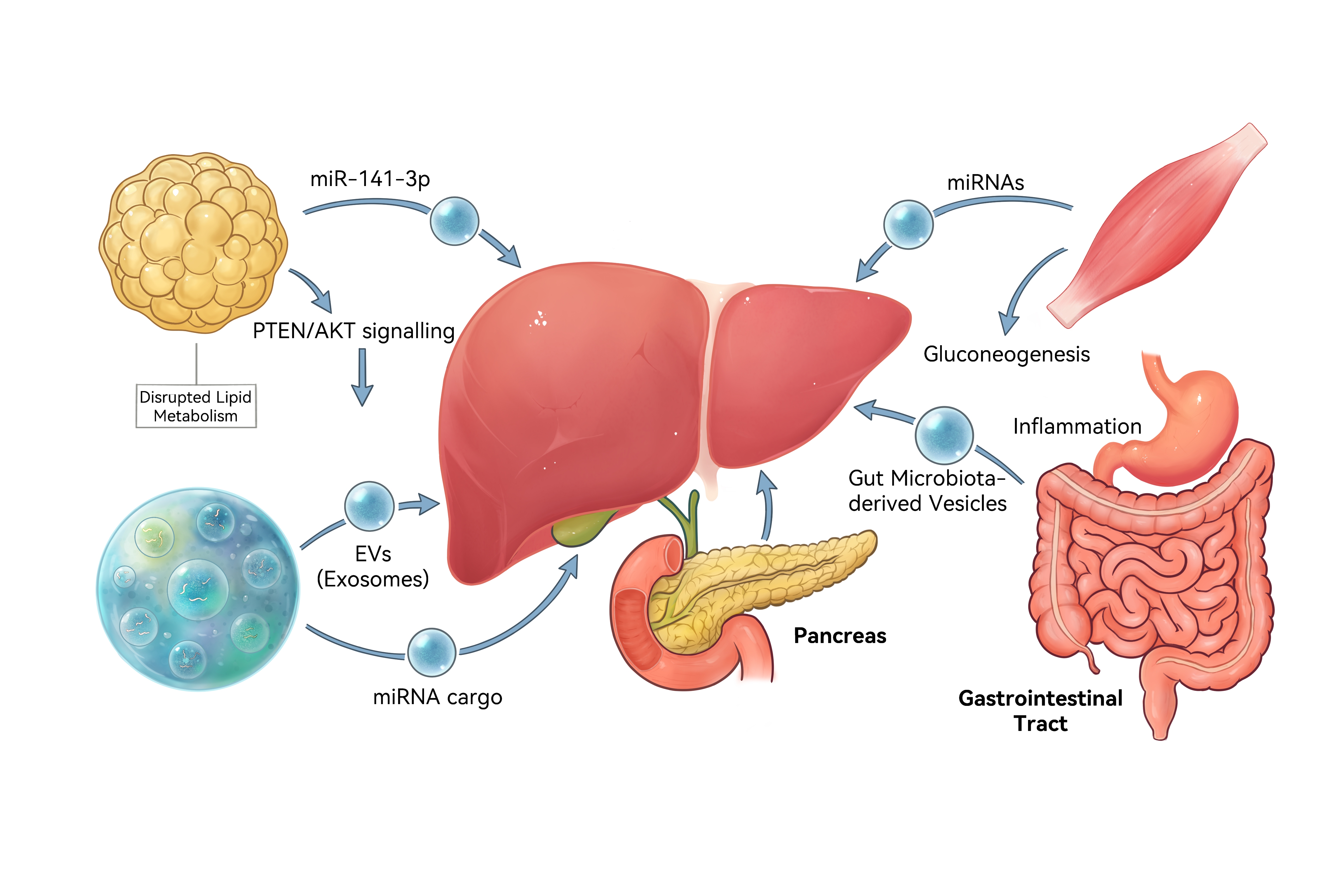
Inter-organ communication via extracellular vesicles and their encapsulated microRNAs mediates the pathogenesis of metabolic dysfunction-associated steatotic liver disease
Metabolic dysfunction-associated steatotic liver disease (MASLD) is a multisystem disorder driven by dysregulated inter-organ communication. The liver integrates signals from adipose tissue, skeletal muscle, gut, and pancreas. Conventional frameworks focused on soluble factors, but extracellular vesicle (EV)-encapsulated microRNAs (miRNAs) are now identified as critical epigenetic mediators. This review systematically explores how EV-encapsulated miRNAs mediate MASLD pathogenesis and metabolic restoration across four core regulatory axes. In the adipose-liver axis, obesity-impaired delivery of miR-141-3p induces hepatic insulin resistance via disrupting the phosphatase and tensin homolog (PTEN)/AKT serine/threonine kinase (AKT) pathway, while pathogenic exosomal miR-122-3p drives de novo lipogenesis by suppressing hepatic fibroblast growth factor receptor 4 (FGFR4); conversely, exercise-upregulated miR-324 exerts hepatoprotective effects by inhibiting Rho-associated coiled-coil-containing protein kinase 1 (ROCK1) signaling. In the muscle-liver axis, high-intensity interval training stimulates muscle secretion of EVs enriched with miR-133b, which suppresses Forkhead box protein O1 (FoxO1)-mediated hepatic gluconeogenesis to improve systemic glycemic control; remote ischemic conditioning also triggers muscle-derived miR-181d-5p to alleviate steatohepatitis via targeting NR4A3. In the gut-liver axis, dysbiosis-associated bacterial EVs breach the gut barrier to drive hepatic inflammation and lipid metabolic abnormalities, while commensal bacterial EVs exert homeostatic protective effects. In the pancreas-liver axis, dysregulated miRNA cargo in β-cell-derived EVs disrupts hepatic glucolipid metabolism, with the miR-802-5p-Psmd2 axis acting as an early pathogenic trigger. Furthermore, this review highlights the diagnostic potential of circulating EV-miRNA panels (represented by the plasma miR-122/miR-34a ratio) as precise non-invasive liquid biopsies for MASLD staging and fibrosis assessment, and discusses the therapeutic promise of engineered EVs (e.g., 223/F-EVs) that simultaneously target steatosis, sterile inflammation and fibrosis. By framing MASLD as a disorder of disrupted inter-organ crosstalk, we highlight EV-miRNA regulatory networks as novel tractable targets in precision metabolic medicine.
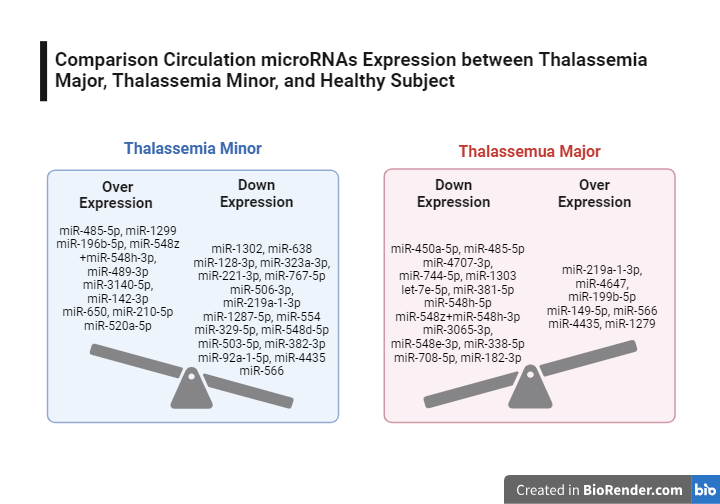
Profiling circulating microRNA and regulatory pathways in transfusion-dependent thalassemia and thalassemia trait compared to healthy controls: a preliminary study
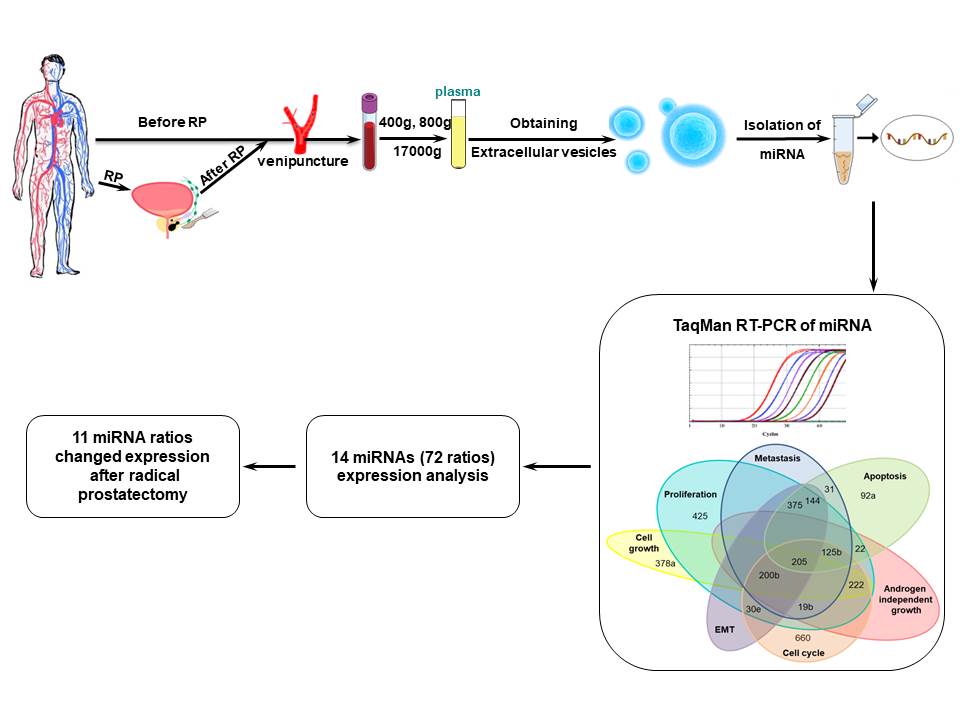
MiRNA expression in plasma extracellular vesicles of prostate cancer patients after radical prostatectomy
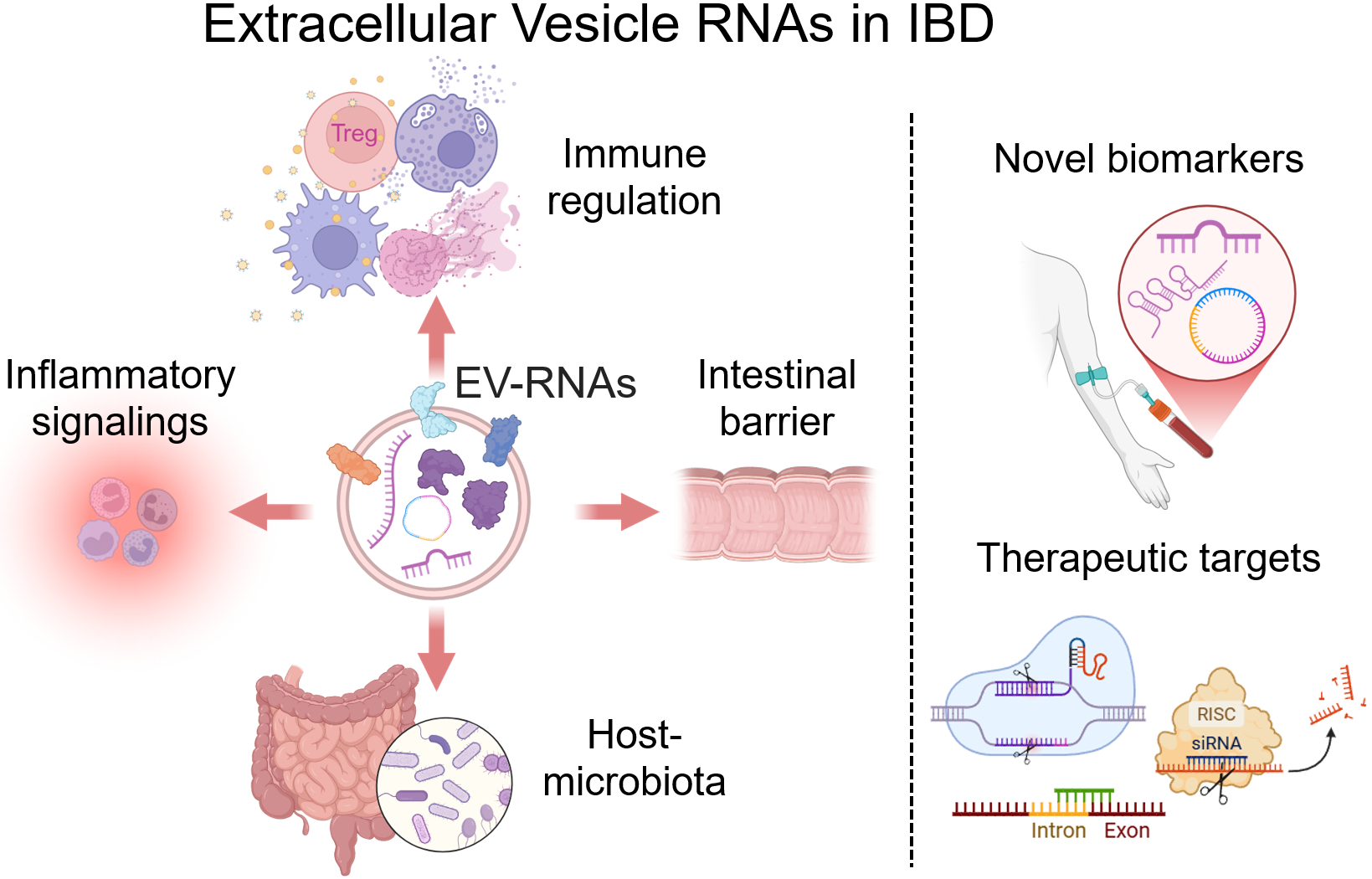
From biomarkers to therapeutics: extracellular vesicle RNA as a pivotal player in inflammatory bowel disease management
Inflammatory Bowel Disease (IBD), comprising Crohn’s disease (CD) and ulcerative colitis (UC), is a group of chronic relapsing inflammatory disorders of the gastrointestinal tract with complex etiology and significant clinical challenges. Extracellular vesicles (EVs) act as key mediators of intercellular communication, carrying diverse RNA species—especially non-coding RNAs such as microRNAs and long non-coding RNAs—which have emerged as critical regulators in IBD pathogenesis and progression. This review synthesizes current understanding of how EV-associated RNAs modulate fundamental IBD-related processes, including inflammatory signaling, intestinal barrier function, immune regulation, and host–microbiota interactions. By integrating recent evidence from multi-omics studies and animal models, we highlight the promise of EV-derived RNAs as novel biomarkers and therapeutic targets. We further discuss advances in EV-RNA-based therapeutics and examine the challenges and future directions for translating these insights into clinical practice. By elucidating the multifaceted roles of EV-RNAs in IBD, this article aims to provide a theoretical foundation and inform future research toward precision diagnosis and personalized treatment strategies for IBD patients.